Image note
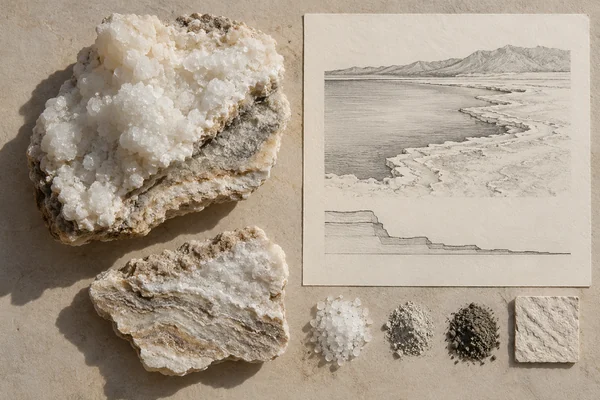
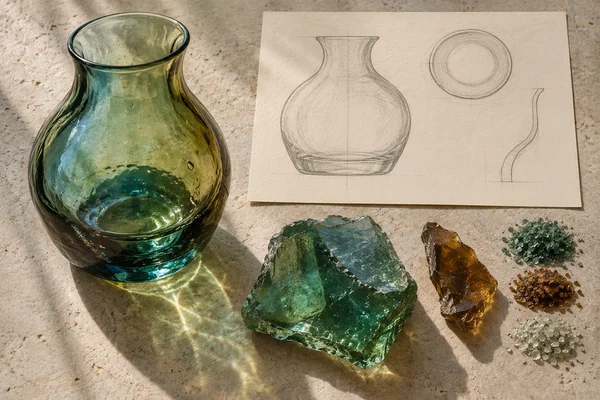
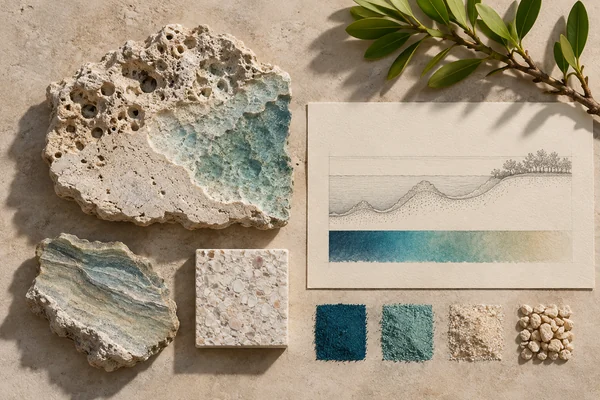
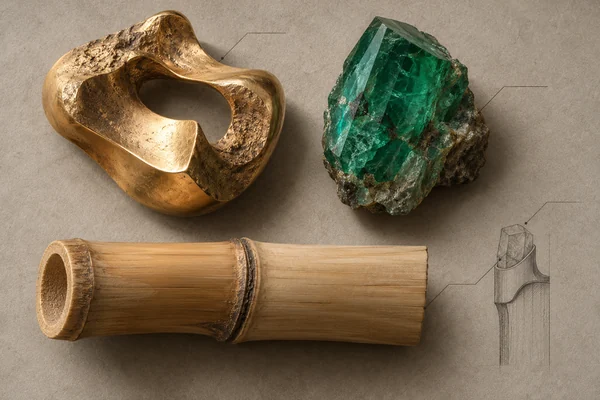
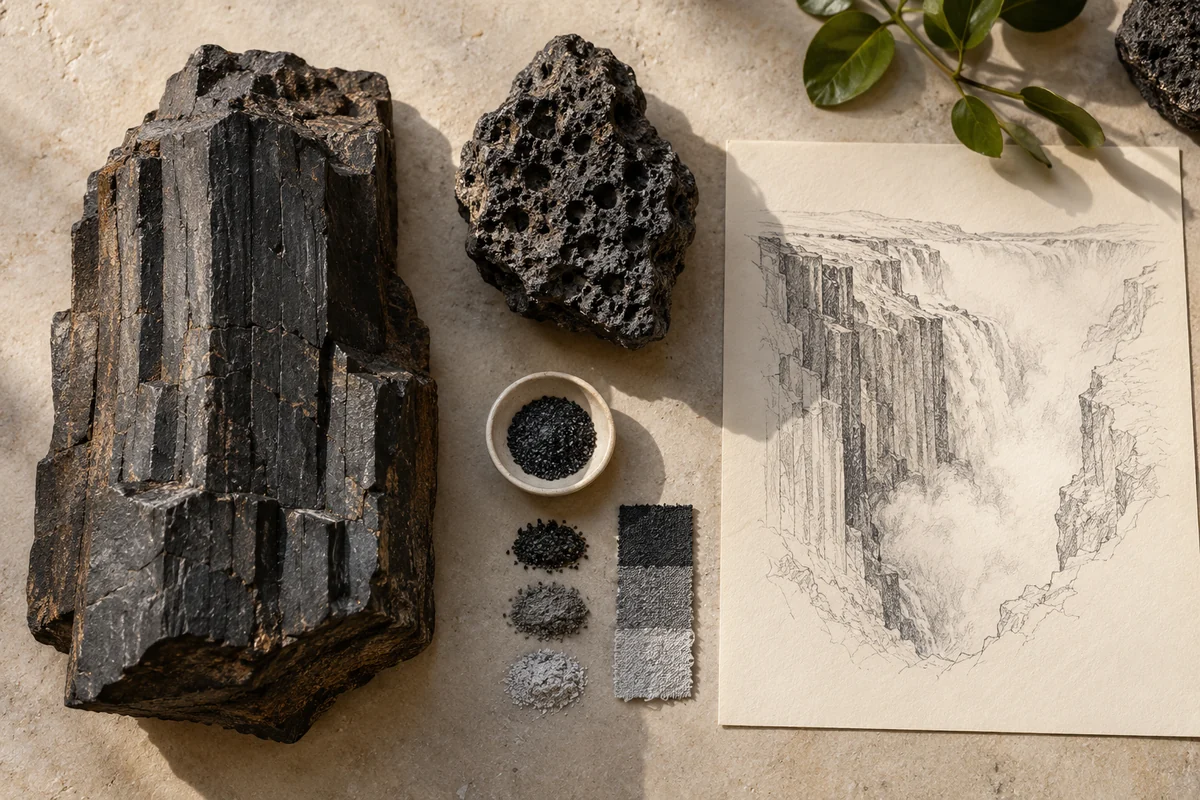
Three original interpretations of basalt gorges & suspended water, informed by Mosi-oa-Tunya / Victoria Falls. These images explore material and spatial ideas; they are not documentary views or measured reconstructions of the reference. The palette is drawn from the material portrait.
Publication credit: The Chromologium.
Image credits and reuseThe colour strip is the entry’s study palette. Artwork sources and image credits and reuse terms are recorded in the archive.
Artwork recordThree views of one material idea.
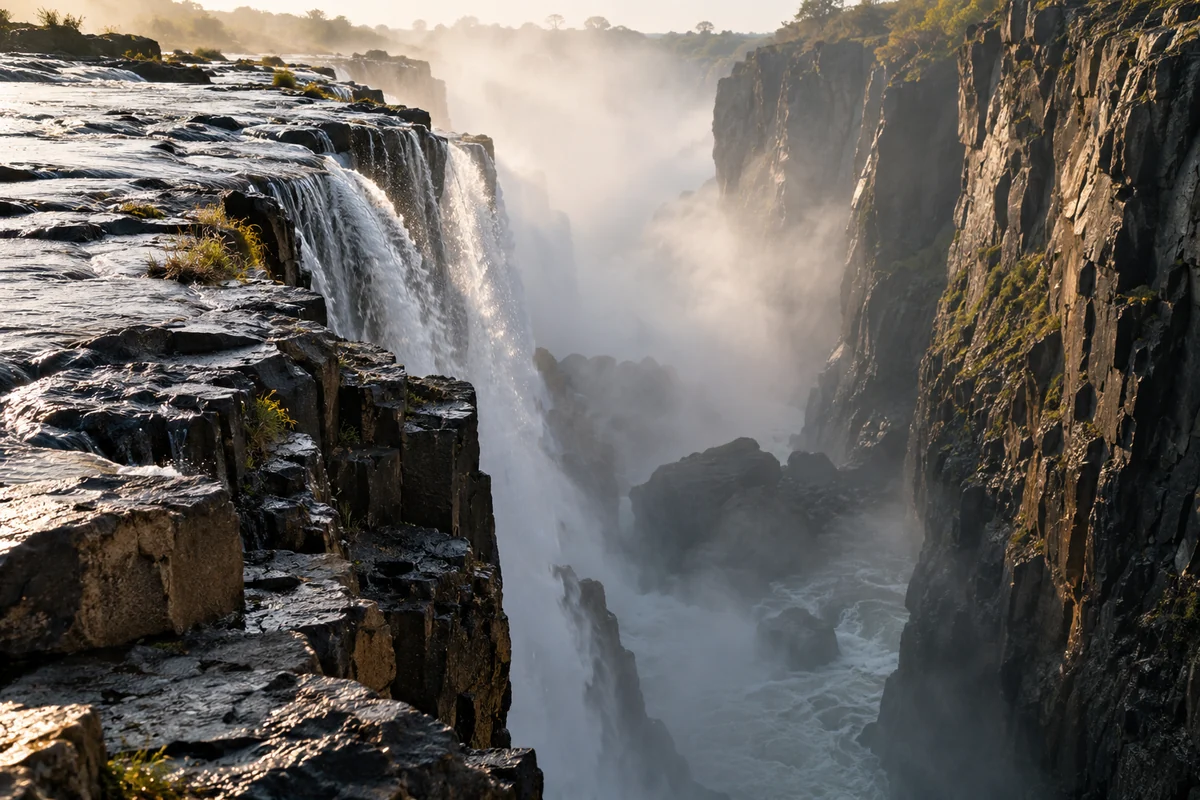
At Mosi-oa-Tunya / Victoria Falls, the Zambezi drops into a sequence of basalt gorges. The shared Zambia-Zimbabwe site brings solid rock, moving water and airborne mist into one spatial experience.
Read the material study01 / Reading the material
Water as surface, curtain and air
Mosi-oa-Tunya / Victoria Falls brings a firm basalt edge into contact with water in several visible states. A broad upstream surface, a falling curtain and diffuse spray each establish a different boundary. The contrast between sharp rock and shifting water gives the scene its spatial force.
02 / From surface to space
Read the whole.
Then the edge.
Compare the gorge’s profile with the obscured edge where mist interrupts the view. Some relationships are clearly outlined; others are revealed only intermittently. A section can explain the solid geometry while an atmospheric study describes the encounter.
Compare the sharp profile of a gorge with the diffuse edge of the spray. What changes when the same water is read as surface, curtain and atmosphere?
03 / Colour in context
A palette you can work with.
Five tones drawn from the material portrait. Select a colour, compare it on paper and ink, or copy its value into your own study.
Surface
#3f3327
Colour values & paper / ink comparison
oklch(0.331 0.027 66.691) · primary
The colour stays fixed as its surroundings change.
Try the bench exercise
04 / At the bench
Make the observation tangible.
Create a composition with one dark, sharply cut plane and two softer water-like layers. Vary transparency and edge definition before colour. Treat the study as an interpretation, not a measurement of current flow or spray conditions.
Keep a view of the whole beside a close detail. Note the material, lighting and the one variable you changed.
Source & orientation
Keep the reference close.
UNESCO World Heritage Centre. (n.d.). Mosi-oa-Tunya / Victoria Falls. Retrieved October 10, 2026.
The material readings and bench exercise are editorial studies of this particular reference. The artwork explores its material ideas; the linked source documents the place.
Artwork & cartographic records
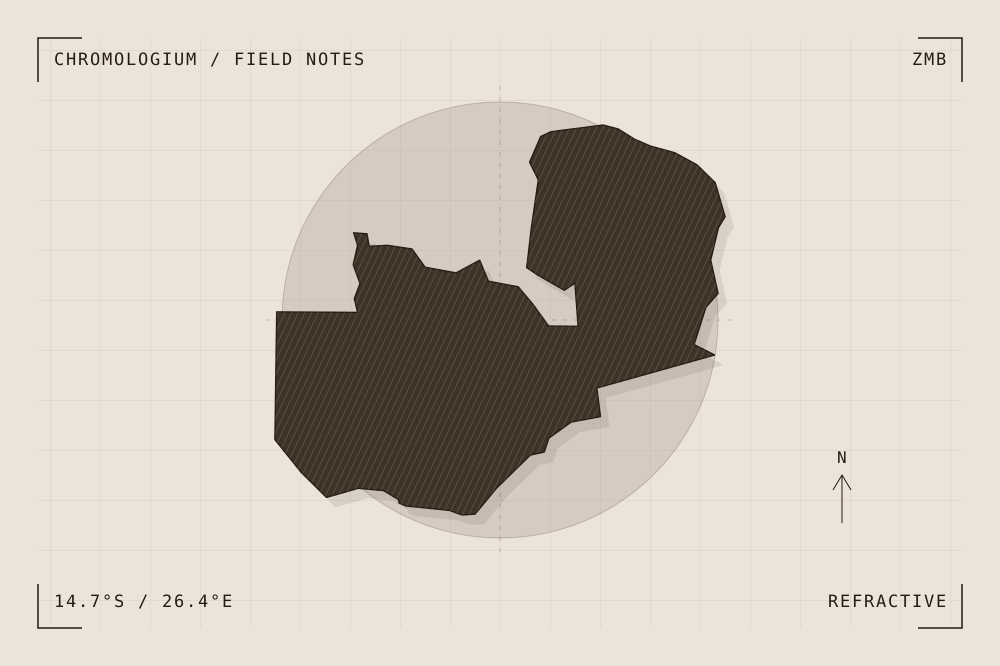
Artwork record · Geographic plate record. Map geometry: Natural Earth, public domain. The archive follows its map’s place names, including territories and disputed areas.
A closer look
Questions about this study
What does this study of Zambia focus on?
At Mosi-oa-Tunya / Victoria Falls, the Zambezi drops into a sequence of basalt gorges. The shared Zambia-Zimbabwe site brings solid rock, moving water and airborne mist into one spatial experience.
Where can I find the original reference?
Mosi-oa-Tunya / Victoria Falls, published by UNESCO World Heritage Centre. The artwork explores the reference’s material ideas; the linked source documents the place.
What could I try at the bench?
Create a composition with one dark, sharply cut plane and two softer water-like layers. Vary transparency and edge definition before colour. Treat the study as an interpretation, not a measurement of current flow or spray conditions.
Continue by material