Image note
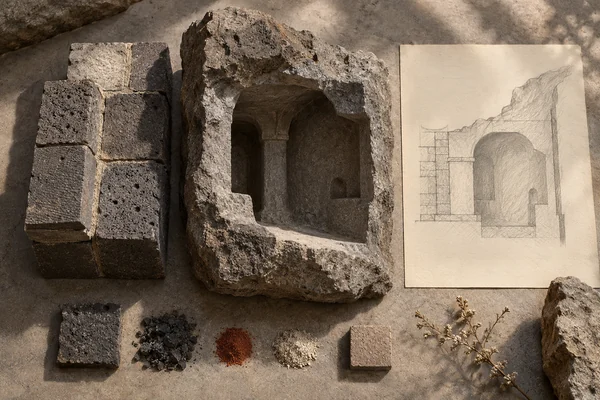
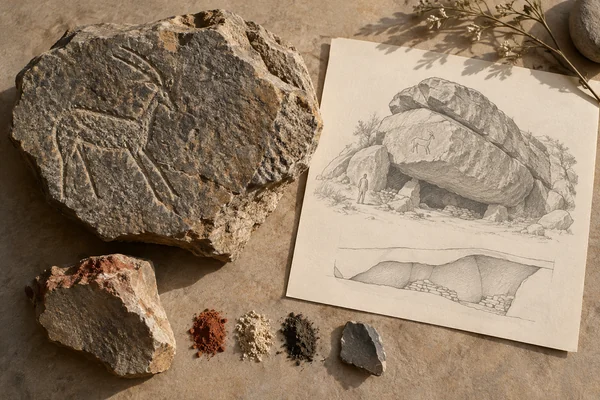
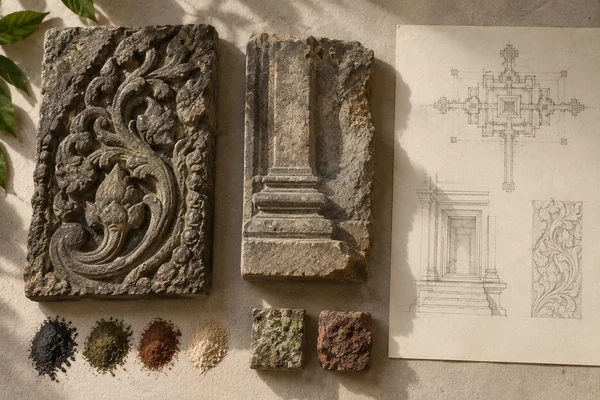
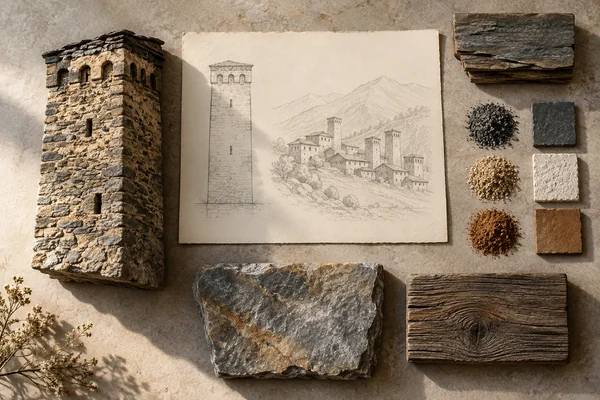
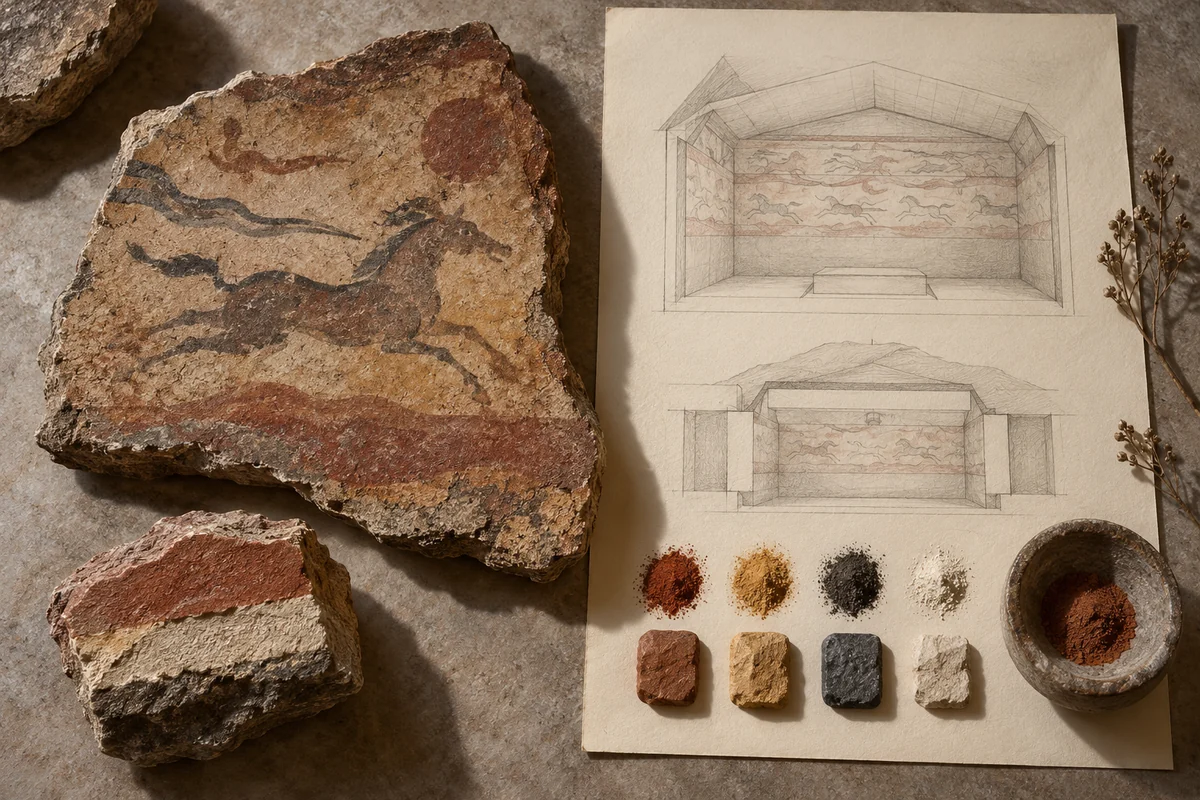
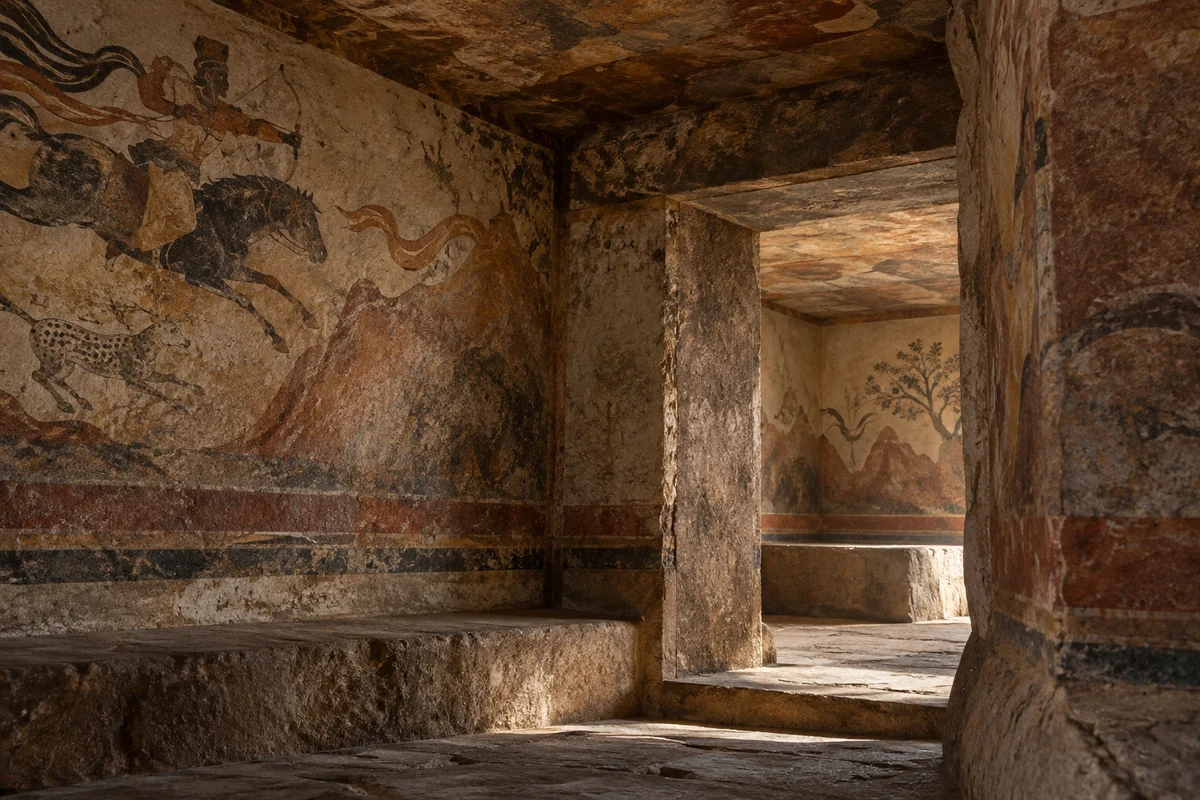
Three original interpretations of tomb chambers & wall painting, informed by Complex of Koguryo Tombs. These images explore material and spatial ideas; they are not documentary views or measured reconstructions of the reference. The palette is drawn from the material portrait.
Publication credit: The Chromologium.
Image credits and reuseThe colour strip is the entry’s study palette. Artwork sources and image credits and reuse terms are recorded in the archive.
Artwork recordThree views of one material idea.
The Koguryo tomb complex preserves painted burial chambers associated with a kingdom whose territory crossed present-day borders. The paintings provide evidence of historical life and belief within their funerary setting.
Read the material study01 / Reading the material
A painting shaped by its chamber
The Koguryo tomb paintings are tied to the surfaces of burial chambers. A wall, a corner and an overhead plane each present an image differently to the viewer. The chamber’s geometry and funerary context belong in the reading alongside the painted scenes.
02 / From surface to space
Read the whole.
Then the edge.
Compare a flattened reproduction with a simple spatial diagram. The diagram restores direction, enclosure and the relationship among surfaces without needing to recreate the paintings themselves. It also helps keep the historical kingdom’s wider geography distinct from present-day borders.
Study how a painted scene responds to the shape of a chamber. Keep the relationship between image, wall and burial context visible.
03 / Colour in context
A palette you can work with.
Five tones drawn from the material portrait. Select a colour, compare it on paper and ink, or copy its value into your own study.
Surface
#68421e
Colour values & paper / ink comparison
oklch(0.416 0.073 61.861) · primary
The colour stays fixed as its surroundings change.
Try the bench exercise
04 / At the bench
Make the observation tangible.
Place plain abstract colour fields inside a small chamber model and study them from the entrance. Do not reuse funerary figures as ornament. Keep the source’s archaeological context attached to any discussion of the original images.
Keep a view of the whole beside a close detail. Note the material, lighting and the one variable you changed.
Source & orientation
Keep the reference close.
UNESCO World Heritage Centre. (n.d.). Complex of Koguryo Tombs. Retrieved October 10, 2026.
The material readings and bench exercise are editorial studies of this particular reference. The artwork explores its material ideas; the linked source documents the place.
Artwork & cartographic records
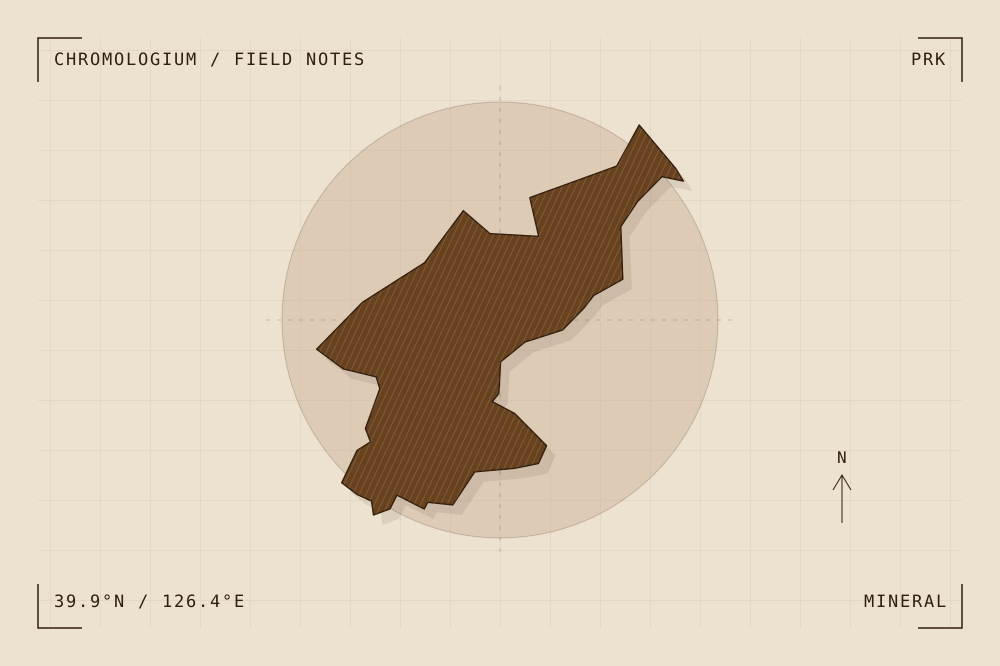
Artwork record · Geographic plate record. Map geometry: Natural Earth, public domain. The archive follows its map’s place names, including territories and disputed areas.
A closer look
Questions about this study
What does this study of North Korea focus on?
The Koguryo tomb complex preserves painted burial chambers associated with a kingdom whose territory crossed present-day borders. The paintings provide evidence of historical life and belief within their funerary setting.
Where can I find the original reference?
Complex of Koguryo Tombs, published by UNESCO World Heritage Centre. The artwork explores the reference’s material ideas; the linked source documents the place.
What could I try at the bench?
Place plain abstract colour fields inside a small chamber model and study them from the entrance. Do not reuse funerary figures as ornament. Keep the source’s archaeological context attached to any discussion of the original images.
Continue by material