Image note
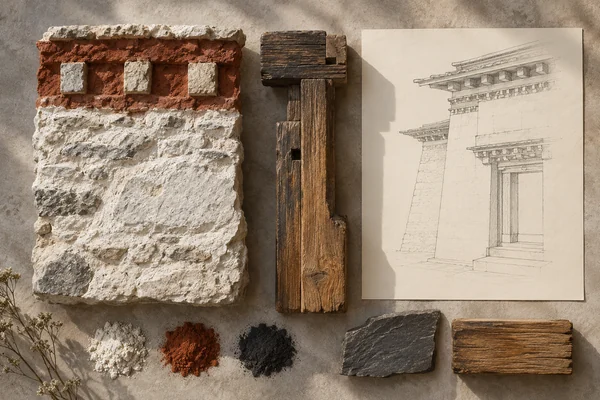
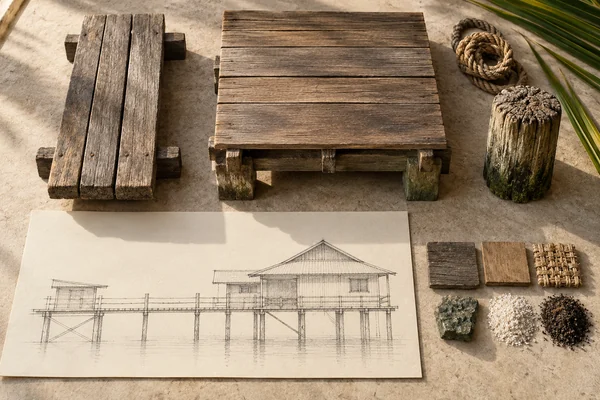
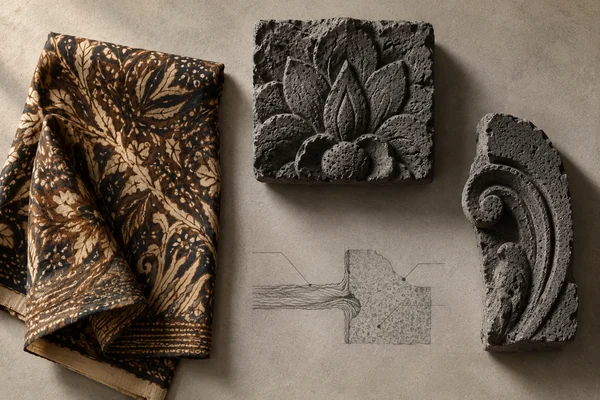
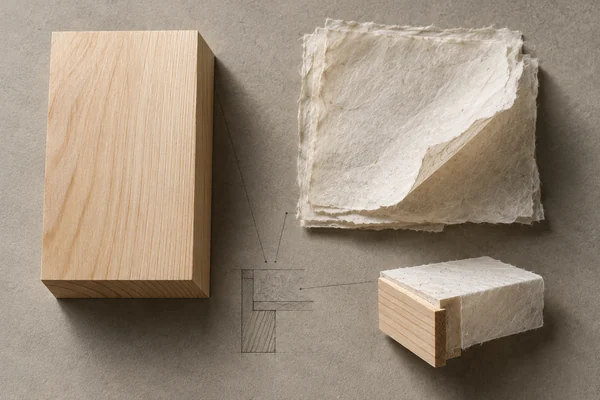
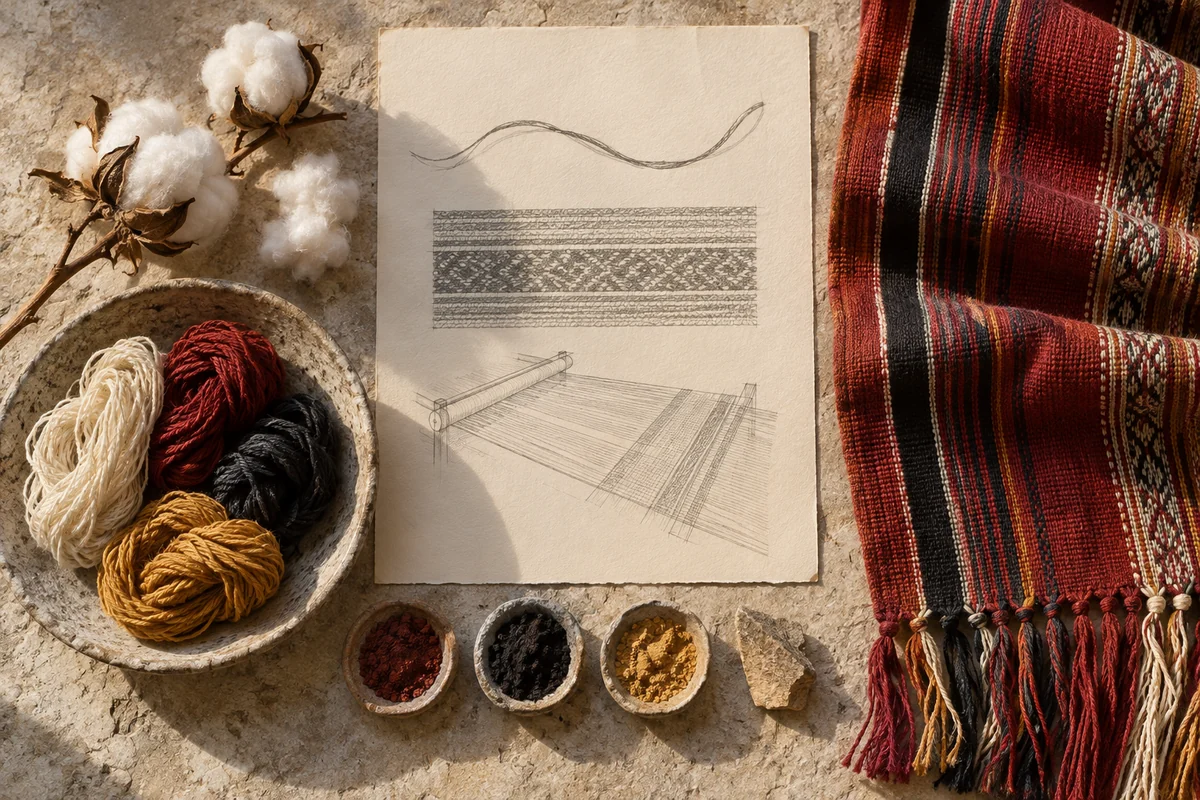
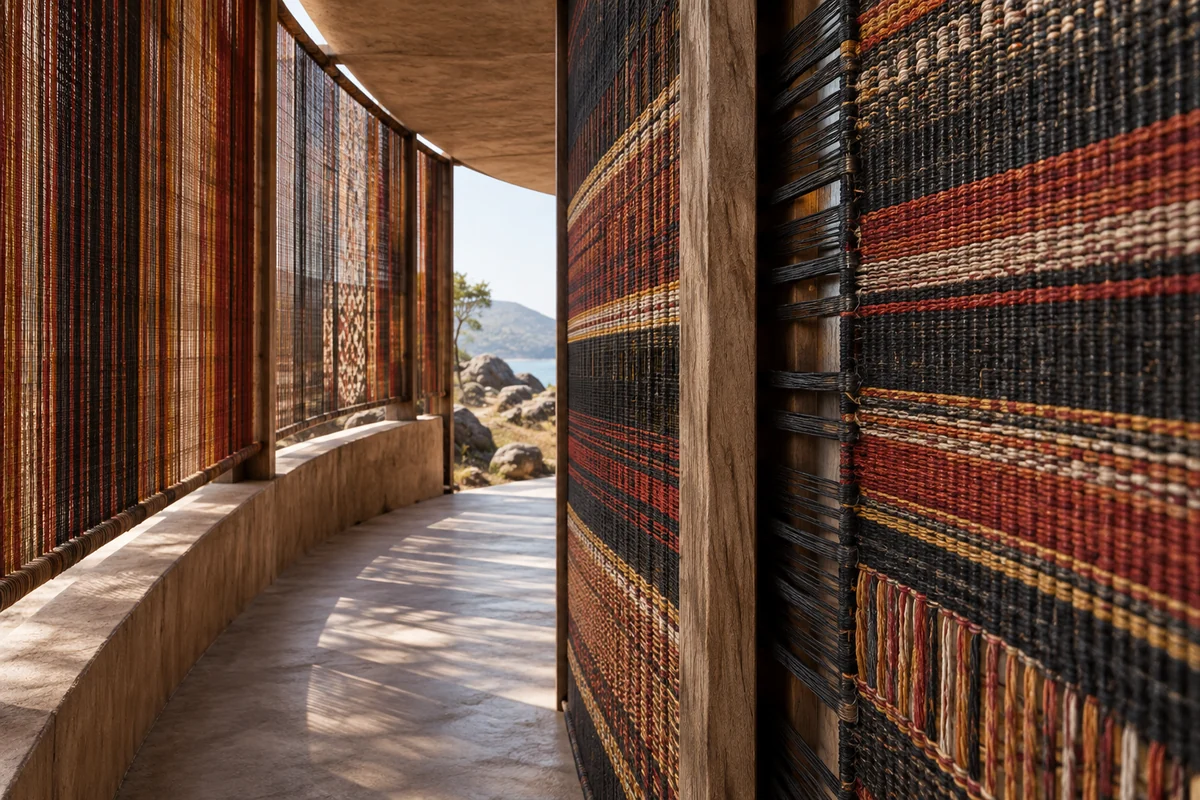
Three original interpretations of tais cotton & dyed threads, informed by Tais, traditional textile. These images explore material and spatial ideas; they are not documentary views or measured reconstructions of the reference. The palette is drawn from the material portrait.
Publication credit: The Chromologium.
Image credits and reuseThe colour strip is the entry’s study palette. Artwork sources and image credits and reuse terms are recorded in the archive.
Artwork recordThree views of one material idea.
Tais is a handwoven textile practice in Timor-Leste, with colours and designs varying between communities. UNESCO’s record describes cotton preparation, dyeing and weaving as skills carried through social and family relationships.
Read the material study01 / Reading the material
From thread to band to cloth
Tais makes several scales of making visible at once. A thread participates in a band; bands organize a larger cloth; colour changes mark decisions within that structure. The full textile cannot be understood solely by enlarging one motif or selecting its most saturated colour.
02 / From surface to space
Read the whole.
Then the edge.
Compare the close texture of the weave with the rhythm seen when the cloth is folded or viewed at a distance. The material remains continuous while different scales come forward. Maker and community relationships are part of the practice, alongside preparation, dyeing and weaving.
Study the relationship between a single thread, a band and the full cloth. Retain the maker and community context rather than treating a motif as a national template.
03 / Colour in context
A palette you can work with.
Five tones drawn from the material portrait. Select a colour, compare it on paper and ink, or copy its value into your own study.
Surface
#77432e
Colour values & paper / ink comparison
oklch(0.441 0.079 42.408) · primary
The colour stays fixed as its surroundings change.
Try the bench exercise
04 / At the bench
Make the observation tangible.
Make an original plain-band study from thread or paper strips with one controlled change in spacing. Show detail and whole together. Use a named cloth and maker when studying a specific design rather than treating Tais as one national template.
Keep a view of the whole beside a close detail. Note the material, lighting and the one variable you changed.
Source & orientation
Keep the reference close.
UNESCO Intangible Cultural Heritage. (n.d.). Tais, traditional textile. Retrieved October 10, 2026.
The material readings and bench exercise are editorial studies of this particular reference. The artwork explores its material ideas; the linked source documents the place.
Artwork & cartographic records
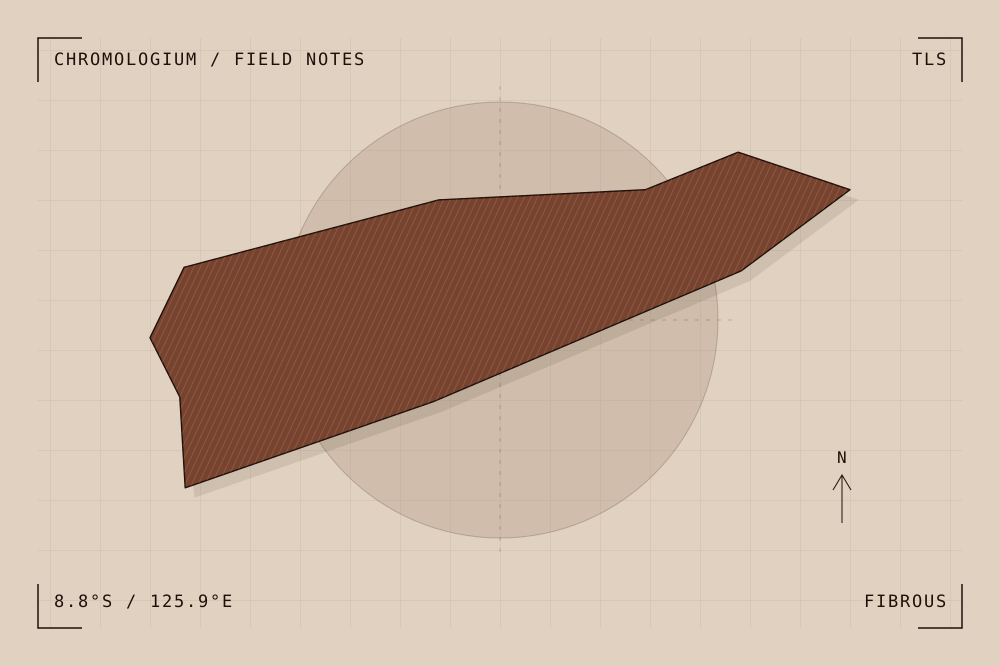
Artwork record · Geographic plate record. Map geometry: Natural Earth, public domain. The archive follows its map’s place names, including territories and disputed areas.
A closer look
Questions about this study
What does this study of Timor-Leste focus on?
Tais is a handwoven textile practice in Timor-Leste, with colours and designs varying between communities. UNESCO’s record describes cotton preparation, dyeing and weaving as skills carried through social and family relationships.
Where can I find the original reference?
Tais, traditional textile, published by UNESCO Intangible Cultural Heritage. The artwork explores the reference’s material ideas; the linked source documents the place.
What could I try at the bench?
Make an original plain-band study from thread or paper strips with one controlled change in spacing. Show detail and whole together. Use a named cloth and maker when studying a specific design rather than treating Tais as one national template.
Continue by material